
What Is a Diminished Value Claim?
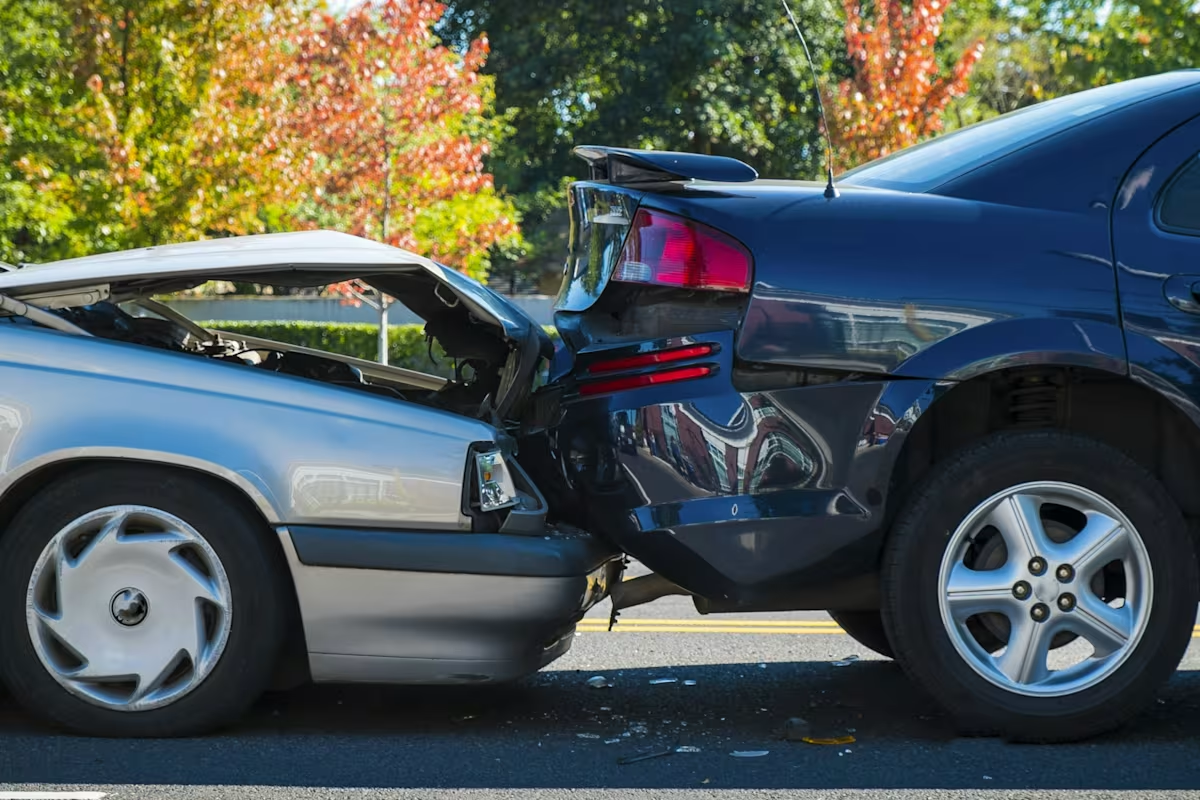
If you get into an accident or your vehicle sustains damage in some other way, it will cost you – in the near and long term. Insurance might cover the cost of repairs, but your vehicle won’t be worth nearly as much as it was before your mishap, no matter how well it is repaired. This is called diminished value. To make up the difference in value before and after repairs, owners can file a diminished value insurance claim.
A diminished value claim allows car owners to recoup some of the lost retail value of their car after an accident or other mishap. It is paid through their own insurance company or through another driver’s insurance company.
How much value can a car lose after an accident? According to Carfax data, the average hit to the retail price of a used car is about $500. That jumps to $2,100 for severe accident damage.
How Insurers Calculate Diminished Value
Many insurers use the well-known 17c formula. It works like this: Start with 10% of the vehicle's pre-accident market value as a baseline. This amount is then adjusted based on factors including the severity of the damage and the car's age. Here are the steps they take:
Determine original value: Determine the pre-accident market value of the car before the accident.
Apply the 10% cap: Multiply the pre-accident value by 0.10 to calculate your maximum potential diminished value.
Apply the damage multiplier: Multiply the value from Step 2 by a damage multiplier based on the severity of the accident, ranging from 0.25 for minor damage to 1.0 for severe damage.
Apply the mileage multiplier: Multiply the result from Step 3 by a mileage multiplier based on the car's mileage — from 0.5 for high-mileage vehicles to 1.0 for low-mileage vehicles.
How much should you expect to get? As you can see, what you recover from a diminished value claim depends on a lot of factors, but you shouldn’t expect a windfall.
How to File a Diminished Value Claim
Time is of the essence when filing a diminished value claim. It’s often easier to collect your data and documents as soon as possible after your accident while all the facts are fresh in stakeholders’ minds. Plus, the longer you wait, the more value your vehicle loses. Here’s how to get your claim rolling:
1. Determine Fault
Establishing fault is crucial. You can only file a diminished value claim against an at-fault driver's insurance company. If you were at fault for the accident, your insurance company will likely deny your claim. Some states have specific rules regarding diminished value, so consulting with a legal professional or your insurance agent is a good idea.
2. Calculate Your Diminished Value
Get your car professionally appraised so you can calculate the diminished value and have supporting documentation. For example, if your vehicle was worth $22,500 before an accident, after repairs have been made, it may be appraised for only $18,000. That’s a $4,500 loss you’ll want to recoup.
You should also demonstrate your car’s value based on information from an online car valuation tool like Carfax’s free History-Based Value, which looks at vehicle-specific information for pricing; accidents and damage are some of the many factors it considers. Solidify your case with photos, police reports, and receipts for repairs.
3. Contact the Insurance Company
Contact the at-fault driver’s insurance company and officially request information about filing a claim of diminished value for your vehicle. If the other driver involved does not have insurance, contact your agent to see if you have uninsured motorist coverage.
4. File Your Claim
Here’s where things really get serious. Using the insurance company’s procedures, file your diminished value claim. Be prepared to answer any and all questions – being cooperative and responsive can only help your case. You’ll also want to be patient, as the complex process could play out over several weeks, even months — typically longer than conventional claims – but you are within your rights to ask for periodic updates on your claim. If you become dissatisfied with the pace of your claim or have trouble contacting the insurance company, you might need a lawyer to act as your mediator.
5. Accept Compensation or Negotiate a Better Deal
Good news: You’ve been offered compensation for your diminished value. Bad news: It’s lower than what you were expecting and hoping. You can either accept the offer or negotiate a better deal. Be prepared to present your evidence and justify your calculated diminished value. Having a professional appraisal can significantly strengthen your negotiating position. When negotiating, remember your end goal: To recoup some of your diminished value. Any coverage is better than receiving nothing.
Next Steps
Track your car's maintenance with Carfax Car Care
Check out new and used cars for sale


